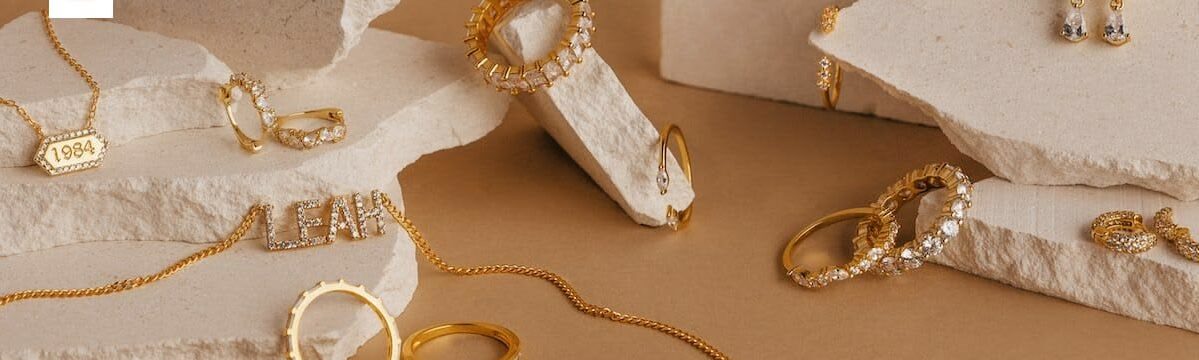

Necklaces have the power to transform even the simplest outfit. A delicate chain can add understated elegance, a pendant can introduce personality, and a statement necklace can become the focal point of your entire look. But what happens when you want to wear more than one necklace at a time?
That is where necklace layering comes in.
Layered necklaces have become a popular styling choice for people who love delicate, modern, and versatile jewellery. By combining chains of different lengths, textures, and designs, you can create a personalised look that feels effortless rather than excessive.
However, layering necklaces is not simply about wearing several pieces together. The right combination depends on necklace lengths, chain styles, pendants, necklines, metal colours, and the overall balance of your outfit.
The good news is that you do not need an extensive jewellery collection to master this trend. With a few versatile pieces and some simple styling techniques, you can create beautiful combinations for everyday wear, office outfits, casual outings, and special occasions.
In this guide, we will explain how to layer necklaces without looking overdone, explore different necklace combinations, and share practical tips to help you develop your own signature jewellery style.
What Is Necklace Layering?
Necklace layering is the practice of wearing two or more necklaces together to create a coordinated look. The necklaces may differ in length, chain design, pendant style, or texture while still complementing one another.
For example, you could combine a short, delicate gold-toned chain with a medium-length pendant necklace and a longer, simple chain. Each necklace contributes something different, creating depth and visual interest.
Layering can be subtle or bold, depending on your preferences. Two fine chains create a delicate appearance, while several necklaces with larger pendants and decorative details produce a more noticeable effect.
The aim is to create harmony between your jewellery pieces rather than allowing them to compete for attention.
This is why necklace layering works particularly well with dainty jewellery. Fine chains and small pendants are generally easier to combine because they add detail without making the neckline look crowded.
1. Choose Different Necklace Lengths
One of the most important necklace layering tips is to select pieces of different lengths.
When necklaces sit at almost the same height, they can overlap awkwardly, hide their pendants, or become tangled. Choosing different lengths helps each necklace remain visible and creates a more organised appearance.
Here is a general guide to common necklace lengths.
Choker or short necklace: approximately 14–16 inches
A choker or short necklace sits close to the base of the neck. It creates the first layer and works well with open necklines, scoop necks, and many square-neck tops.
Choose a delicate chain or a simple design if you want a subtle foundation for your layered look.
Standard necklace: approximately 16–18 inches
A standard-length necklace usually sits around the collarbone or just below it, depending on your neck size and the neckline of your outfit.
This length is versatile and works well with small pendants, fine chains, and everyday jewellery combinations.
Medium necklace: approximately 18–22 inches
A medium-length necklace creates separation between shorter chains and longer pendants. It is especially useful when you want to layer three necklaces.
A small gemstone, charm, or geometric pendant can make this layer more distinctive.
Long necklace: approximately 22–30 inches
Longer necklaces add vertical movement and can complement deeper necklines, simple tops, and dresses.
A plain chain or a modest pendant can work well as the longest layer because it provides balance without adding too much visual detail.
These measurements are general guidelines rather than strict rules. Necklace placement varies with body proportions, chain design, and personal preference.
Styling tip: When wearing three necklaces, try a short chain, a medium-length pendant, and a longer plain chain. This creates a clear separation between the layers.
2. Mix Different Chain Styles and Textures
You do not need every necklace to look identical. In fact, combining different chain styles can make your layered look more interesting.
The key is to introduce variation without creating visual confusion.
Fine cable chains
Fine cable chains are versatile and work well as a base for layering. They can be worn alone or paired with pendants and other delicate necklaces.
Box chains
Box chains have a more structured appearance. They can add a subtle difference in texture when paired with a fine chain.
Figaro chains
Figaro chains feature a repeating pattern of elongated and smaller links. They can introduce character into a layered combination without requiring a large pendant.
Beaded necklaces
Small-bead necklaces add texture and colour. They can work well with simple metal chains, especially when you want a slightly more playful or Bohemian look.
Pendant necklaces
Pendant necklaces provide a focal point. A tiny heart, pearl, gemstone, or geometric charm can make a layered combination feel more personal.
When mixing chain styles, try to keep one element consistent. You might use the same metal colour, similar chain thicknesses, or a shared design theme.
For example, a fine gold-toned chain, a small pendant necklace, and a slightly textured gold-toned chain can create variation while still looking coordinated.
3. Combine Plain Chains with Pendant Necklaces
One of the easiest ways to create a layered necklace look is to combine plain chains with pendant necklaces.
Plain chains create structure, while pendants add personality and visual interest. This balance helps the overall combination look intentional.
If every necklace has a large pendant, the result may feel crowded. On the other hand, three plain chains may lack the variation you want.
A combination of simple and decorative pieces often works best.
Here are three combinations to try:
Combination 1: Minimal everyday look
- One short, plain chain
- One medium-length necklace with a tiny pendant
This is a simple option for college, work, or casual outings.
Combination 2: Delicate layered look
- One fine short chain
- One small pendant necklace
- One longer plain chain
This combination adds depth while keeping the overall appearance light.
Combination 3: Colourful accent
- One simple metal chain
- One gemstone-inspired pendant
- One delicate chain in a complementary length
This is useful when you want to introduce colour without making your jewellery too bold.
Choose pendants that complement one another in size and style. A small pendant usually pairs more easily with delicate chains than several oversized charms.
4. How to Layer Necklaces with Different Necklines
Your outfit’s neckline can make a significant difference to how layered necklaces look.
A combination that works beautifully with a V-neck may not have the same effect with a high-neck top. Choosing necklaces that complement your neckline helps the jewellery look balanced.
With a V-neck
V-neck tops naturally create a vertical shape, making them suitable for layered necklaces of different lengths.
Try a short chain with a slightly longer pendant necklace. A pendant that follows the V-shaped opening can help create a coordinated appearance.
Avoid adding too many large pendants if the neckline is already deep or visually detailed.
With a round-neck T-shirt
Round-neck T-shirts work well with short and medium-length necklaces.
A delicate chain close to the collarbone paired with a slightly longer pendant can add interest to a plain T-shirt.
For a casual look, choose simple chains that do not compete with printed designs on your clothing.
With a square neckline
Square-neck tops provide a defined frame around the collarbone. A short chain or a delicate necklace that follows the neckline can complement this shape.
You can add a second chain that sits slightly lower for a balanced layered look.
With a collared shirt
A collared shirt offers several styling options. You can wear a fine chain just above the shirt’s opening or layer two delicate necklaces over the fabric when the shirt is worn open.
Gold-toned chains can work particularly well with white, beige, black, and blue shirts.
With a strapless or off-shoulder outfit
These necklines leave more space around the collarbone, making them suitable for layered necklaces.
Try two or three delicate chains with different lengths. If you want a more dramatic look, introduce one statement pendant while keeping the remaining chains simple.
With high-neck clothing
High-neck tops can work better with longer necklaces that sit over the fabric. A long chain or pendant can create a vertical line without crowding the neck.
Alternatively, skip the necklace and focus on earrings or bracelets if the top already has an elaborate neckline.
5. Can You Mix Gold and Silver Necklaces?
Yes. Mixing gold-toned and silver-toned necklaces can create a modern, personalised look.
Although matching metal colours is a simple way to achieve coordination, combining metals can make your jewellery collection more flexible and expressive.
The trick is to make the combination look deliberate.
Start with two metal tones
If you are new to mixing metals, begin with one gold-toned chain and one silver-toned chain. Choose designs with similar levels of detail so that neither necklace overwhelms the other.
Repeat the metal colours
If possible, repeat the mixed-metal effect elsewhere in your accessories. For example, you could wear a mixed-metal necklace combination with earrings or a bracelet that includes both tones.
You do not need every accessory to match perfectly. The aim is to create a visual connection.
Keep the designs balanced
A chunky chain paired with an extremely fine chain may look unbalanced if the colours and proportions also differ dramatically.
Try combining pieces with complementary thicknesses or a shared design detail.
Use one metal as the main colour
If you prefer a coordinated appearance, let one metal dominate and use the second as an accent. For example, two gold-toned necklaces with one delicate silver-toned chain can create contrast without looking chaotic.
Remember that gold-toned and silver-toned artificial jewellery may have different finishes. Handle and store each piece according to its care instructions to help preserve its appearance.
6. How Many Necklaces Should You Layer?
There is no fixed number of necklaces that works for everyone. The ideal number depends on the design of each piece, your outfit, and the appearance you want to create.
However, if your goal is to avoid looking overdone, starting with two or three necklaces is a practical approach.
One necklace
A single necklace is ideal when you want a clean, understated appearance. It also works well with elaborate clothing or a statement neckline.
Two necklaces
Two necklaces are perfect for beginners. Choose different lengths, such as a short plain chain and a longer pendant necklace.
This combination is easy to wear and suitable for everyday outfits.
Three necklaces
Three necklaces allow you to introduce more variety. Try combining a short chain, a medium pendant, and a longer plain chain.
Keep the pendants small or use only one decorative pendant if you prefer a delicate look.
Four or more necklaces
Wearing four or more necklaces can create a bold, fashion-forward appearance. However, it requires greater attention to chain lengths, textures, and pendant sizes.
If you choose this approach, keep the outfit relatively simple and avoid combining too many large or heavy designs.
The most important principle is balance. You do not need more necklaces to create a better layered look.
7. Everyday Necklace Layering Combinations to Try
If you are unsure where to start, these combinations can help you experiment with necklace layering using versatile jewellery pieces.
For college and casual outings
Wear a fine chain with a tiny pendant and add a slightly longer plain chain.
This combination works well with T-shirts, casual dresses, Kurtis, and simple tops.
For office wear
Choose two understated necklaces, such as a short chain and a delicate pendant necklace. Keep the designs simple enough to complement shirts, blazers, and formal dresses.
For a minimalist aesthetic
Combine two or three fine chains in the same metal tone. Use different lengths and keep pendants small or leave one chain plain.
This creates an elegant appearance without unnecessary decoration.
For a western evening outfit
Pair a short chain with a medium-length pendant and a longer chain. This can complement a plain dress, an open neckline, or a simple black top.
For traditional Indian outfits
A delicate chain layered with a small pendant can complement a simple kurti or contemporary ethnic outfit.
For heavily embroidered clothing, consider keeping the necklace combination understated. If you are wearing a statement Kundan necklace, it may look better as the main accessory rather than being layered with several competing necklaces.
For a soft, feminine look
Try two fine gold-toned chains with a tiny pearl or floral pendant. This combination works well with dresses, soft fabrics, and pastel-coloured outfits.
These are starting points rather than strict rules. Adjust the designs and lengths according to your wardrobe and preferences.
8. How to Prevent Layered Necklaces from Tangling
Tangling is one of the most common problems with layered necklaces. Fine chains can twist around one another, making the combination uncomfortable and difficult to maintain.
Although no method guarantees that chains will never tangle, a few habits can help reduce the problem.
Choose different lengths. Chains that sit at different levels are less likely to overlap constantly.
Consider chain thickness. Combining chains with slightly different textures or thicknesses may help you distinguish the layers and reduce some twisting.
Use a necklace layering clasp. A multi-strand necklace clasp can hold several chains together at the back. Some designs allow the necklaces to move independently, although results vary.
Avoid excessive movement where practical. Very fine chains may twist more when you move frequently. Choose secure, comfortable designs for long days.
Store chains separately. Fasten each clasp and place necklaces in separate compartments or pouches when you are not wearing them.
Check the chains before wearing them. Untangle each necklace gently before putting on the complete combination. Never pull forcefully on a fine chain, as it may break.
If tangling remains a problem, try wearing two necklaces instead of three. A simpler combination can be just as stylish.
9. Common Necklace Layering Mistakes to Avoid
Layering becomes easier when you understand what can make a combination look unbalanced.
Choosing necklaces of almost identical lengths
When several necklaces sit at the same height, they can overlap and hide their individual details. Choose visibly different lengths instead.
Using too many large pendants
Several oversized pendants can compete for attention. If you want a balanced appearance, select one focal pendant and pair it with simpler chains.
Ignoring your neckline
The wrong necklace lengths can disappear under clothing or make the neckline look crowded. Consider the shape and depth of your top before choosing your combination.
Mixing too many unrelated styles
Combining delicate chains, oversized charms, colourful beads, and heavy links can look confusing if there is no common element.
Try to connect your necklaces through colour, metal tone, texture, or design.
Wearing layered necklaces with heavily detailed clothing
An embroidered top or heavily embellished outfit already contains visual detail. Several bold necklaces may make the overall appearance feel busy.
Choose delicate chains or let one statement necklace stand on its own.
Forgetting comfort
A layered combination should feel comfortable throughout the day. Avoid chains that pull, irritate your skin, or repeatedly catch on your clothing.
10. Building a Versatile Necklace Layering Collection
You do not need to buy a large number of necklaces to create different layered looks. A small collection of versatile pieces can offer plenty of combinations.
Consider starting with these essentials:
- A fine everyday chain: A simple foundation for almost any combination.
- A delicate pendant necklace: Adds personality and becomes the focal point of a layered look.
- A slightly longer chain: Creates separation between the layers.
- A textured chain: Introduces variation without requiring a large pendant.
- An optional colourful or pearl pendant: Adds a subtle accent when you want something different.
Choose pieces that complement your existing wardrobe. If you frequently wear gold-toned accessories, begin with that colour palette. You can add silver-toned or mixed-metal pieces later.
When shopping for artificial jewellery, check the quality of the clasps, links, and finish. Delicate chains need gentle handling, and proper storage helps reduce tangling and damage.
The goal is to build a collection that you can mix and match rather than purchasing necklaces for only one specific combination.
Frequently Asked Questions
How do you layer necklaces without looking overdone?
Start with two or three necklaces of different lengths. Combine simple chains with one small pendant, keep the colours coordinated, and consider your outfit’s neckline. If the jewellery feels crowded, remove one piece.
How many necklaces should you wear when layering?
Two or three necklaces are a practical starting point. You can wear more for a bolder look, provided the lengths, chain styles, and pendants work together.
Can you layer dainty necklaces?
Yes. Dainty layered necklaces are ideal for creating a subtle and elegant look. Combine fine chains of different lengths and introduce one small pendant for variation.
Can you wear gold and silver necklaces together?
Yes. Mixing gold-toned and silver-toned necklaces can look modern and intentional. Start with simple designs and repeat the metal colours elsewhere in your accessories if you want a coordinated appearance.
What necklace lengths work best for layering?
Short chains around 14–16 inches, standard necklaces around 16–18 inches, medium necklaces around 18–22 inches, and longer necklaces around 22–30 inches can provide useful variation. The best combination depends on your proportions and the neckline of your outfit.
How do you keep layered necklaces from tangling?
Use different chain lengths, store each necklace separately, and consider a multi-strand necklace clasp. Gently untangle each chain before wearing it and avoid pulling forcefully on delicate links.
Conclusion
Learning how to layer necklaces is about creating balance, not simply adding more jewellery. Different necklace lengths, complementary chain styles, thoughtfully chosen pendants, and suitable necklines can help you build a combination that feels polished and personal.
For an effortless everyday look, start with two delicate chains. When you feel comfortable experimenting, introduce a third necklace, try a different texture, or mix gold-toned and silver-toned designs.
Most importantly, choose pieces that complement your wardrobe and reflect your individual style. A simple combination of well-chosen necklaces can be just as effective as a bold, elaborate arrangement.
At Jewel Blends, jewellery is about expressing yourself through the details. Experiment with delicate chains, discover your favourite combinations, and create layered necklace looks that feel naturally elegant—without looking overdone.
