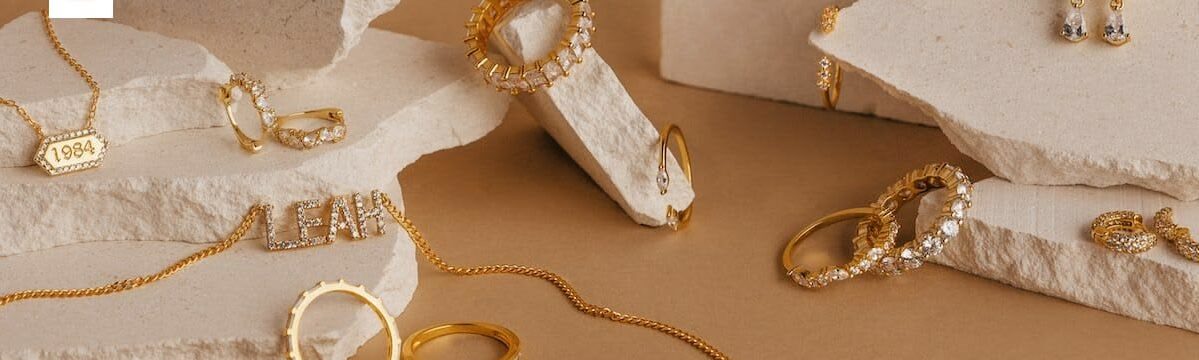

Choosing the right jewellery can transform an outfit, enhance your personal style, and help you feel more confident. But when it comes to selecting jewellery, one question often comes up: should you choose gold or silver?
Both gold and silver jewellery have their own appeal. Gold-toned accessories are often associated with warmth, richness, and timeless elegance, while silver-toned pieces are known for their cool, modern, and versatile appearance. From delicate everyday chains to statement earrings and traditional Indian jewellery, both metal tones offer countless styling possibilities.
However, choosing between gold and silver is not simply about which one looks better. Your wardrobe, personal preferences, skin undertone, the occasion, jewellery materials, and maintenance requirements can all influence your decision.
The good news is that you do not have to limit yourself to just one. Mixed-metal jewellery has also become a popular way to combine gold and silver tones in a single look.
In this guide, we will explore gold vs silver jewellery, compare their appearance and styling possibilities, explain how to choose between them, and share practical tips for incorporating both into your jewellery collection.
1. Understanding Gold and Silver Jewellery
Before comparing gold and silver jewellery, it is helpful to understand what these terms mean.
What Is Gold Jewellery?
Gold jewellery can be made from solid gold alloys, gold-plated metals, gold-filled materials, or other gold-finished materials. These options differ significantly in composition, durability, price, and care requirements.
Pure gold is relatively soft, so jewellery intended for regular use is often made with alloys that improve its strength.
Gold jewellery is available in several colours, including yellow gold, white gold, and rose gold. Yellow gold is particularly popular for traditional designs, while rose gold offers a softer, pinkish appearance.
Gold-toned artificial jewellery is another option for people who enjoy the look of gold without purchasing solid gold pieces. Its appearance and durability depend on the base material, coating, and quality of construction.
What Is Silver Jewellery?
Silver jewellery is available in different forms, including sterling silver, fine silver, silver-plated pieces, and silver-toned artificial jewellery.
Sterling silver, commonly marked 925, contains 92.5% silver, with the remaining portion generally consisting of other metals that improve durability.
Silver has a bright, cool-toned appearance that works well with contemporary, minimalist, and traditional designs.
Like gold-toned artificial jewellery, silver-toned accessories can provide the appearance of a particular metal without necessarily containing that metal in substantial amounts. Always check the material description before buying.
2. Gold vs Silver Jewellery: Appearance and Overall Style
One of the biggest differences between gold and silver jewellery is their visual effect.
Gold Jewellery: Warm and Classic
Gold jewellery creates a warm, rich appearance. Yellow gold can add depth to an outfit and is often associated with traditional elegance, festive styling, and luxurious aesthetics.
It can be particularly striking against earthy colours, deep jewel tones, and warm neutrals.
Gold-toned jewellery is available in many styles, from delicate chains and small hoops to elaborate Kundan-inspired necklaces and decorative earrings.
It can suit both modern and traditional clothing, depending on the design.
Silver Jewellery: Cool and Contemporary
Silver jewellery generally has a cooler, brighter appearance. It often complements clean silhouettes, monochrome outfits, pastel shades, and contemporary designs.
Silver-toned chains, geometric earrings, slim rings, and minimalist bracelets can create an understated, modern look.
Silver can also work beautifully with traditional Indian clothing, particularly when the outfit includes cool colours, oxidised finishes, or intricate silver-inspired designs.
Which Looks Better?
Neither gold nor silver is universally better. The choice depends on the effect you want to create.
Choose gold if you enjoy warm tones, rich colours, and classic styling. Choose silver if you prefer cooler tones, contemporary designs, and a clean aesthetic.
You can also keep both in your collection and select the metal tone according to your outfit.
3. Which Metal Tone Suits Your Skin Undertone?
Skin undertone is one factor people consider when choosing jewellery. However, it should be treated as a styling guide rather than a strict rule.
Undertone refers to the subtle hue beneath the surface of your skin. It is often described as warm, cool, or neutral.
Warm Undertones
Warm undertones are often associated with golden, peachy, or yellowish hues.
Gold jewellery may complement these undertones by creating a harmonious, warm appearance. Gold-toned chains, hoops, and pendants can work especially well with earthy colours.
Cool Undertones
Cool undertones are often associated with pinkish, reddish, or bluish hues.
Silver jewellery may complement these undertones by creating a coordinated, cool-toned appearance. Silver-toned earrings, necklaces, and rings can work particularly well with blue, grey, and cool pastel clothing.
Neutral Undertones
Neutral undertones tend to have a balance of warm and cool characteristics.
If you have neutral undertones, you may find that both gold and silver jewellery suit you comfortably. You can choose according to your clothing, personal preferences, or the overall look you want.
How Can You Identify Your Undertone?
You can experiment with gold and silver jewellery in natural lighting and observe which tone you prefer against your skin.
Some people also examine the appearance of their veins or how their skin responds to different colours, but these methods are not definitive.
The most important point is that you do not need to follow undertone rules to wear jewellery confidently. If you love gold, wear gold. If you prefer silver, choose silver. Personal style matters more than rigid guidelines.
4. Gold vs Silver Jewellery: Which Works Better with Your Wardrobe?
Your existing wardrobe is one of the most practical factors to consider when choosing jewellery.
Instead of buying accessories based only on trends, think about the colours and clothing styles you wear most often.
Gold Jewellery with Warm Colours
Gold-toned jewellery often complements:
- Beige, cream, and camel
- Brown and chocolate
- Mustard and rust
- Olive and earthy green
- Burgundy and maroon
- Deep red and emerald green
For example, a delicate gold-toned necklace can add warmth to a beige blouse, while gold earrings can complement a maroon kurti.
Silver Jewellery with Cool Colours
Silver-toned jewellery often works well with:
- Black, white, and grey
- Navy and denim blue
- Lavender and icy blue
- Cool pink and lilac
- Emerald and other jewel tones
A silver chain can look elegant with a black dress, while silver-toned hoops can complement a crisp white shirt and denim.
What About Neutral Clothing?
Neutral clothing is particularly versatile. White shirts, black dresses, beige tops, and grey outfits can work with either gold or silver jewellery.
If your wardrobe contains many neutrals, you have the freedom to choose the metal tone according to your mood and the occasion.
What If You Wear Colourful Clothing?
You can coordinate your jewellery with one of the colours in your outfit or use it to create contrast.
For example, gold-toned jewellery can provide warmth against deep red clothing, while silver-toned accessories can create contrast with a dark blue outfit.
These are styling suggestions rather than strict rules. The size, design, and finish of the jewellery can matter just as much as its colour.
5. Gold vs Silver Jewellery for Indian Outfits
Gold and silver jewellery both have an important place in Indian fashion. The best option depends on the outfit, embroidery, occasion, and the style you want to create.
Gold Jewellery with Traditional Wear
Gold-toned jewellery is a classic choice for sarees, lehengas, Anarkalis, and festive kurtas.
It can complement warm fabrics, rich embroidery, and traditional colour palettes. Kundan-inspired earrings and gold-toned necklaces can also create an elegant appearance when paired with simpler outfits.
For everyday ethnic wear, delicate gold-toned chains and small earrings can provide a more understated alternative to elaborate sets.
Silver Jewellery with Traditional Wear
Silver jewellery can add a contemporary or artistic touch to Indian clothing.
Oxidised silver-inspired earrings, decorative jhumkas, silver-toned necklaces, and statement rings can complement cotton kurtas, printed dresses, and bohemian outfits.
Silver can also work with festive wear, particularly when the outfit includes cool colours or silver embroidery.
Can You Wear Gold and Silver with the Same Ethnic Outfit?
Yes. Mixed-metal jewellery can work with Indian clothing when the pieces share a visual connection.
For example, a gold-toned chain with silver-toned earrings may look coordinated if the designs are simple and the outfit is not overly embellished.
If your clothing already contains prominent gold and silver embroidery, you can use these details to guide your accessory choices.
6. Gold vs Silver Jewellery for Everyday Wear
Everyday jewellery should fit comfortably into your routine. It should complement your clothes, suit your preferences, and be easy to maintain.
Gold-Toned Jewellery for Daily Wear
Delicate gold-toned chains, small hoops, slim bracelets, and simple pendants are versatile everyday options.
They can complement casual clothing, office wear, and many ethnic outfits.
If you prefer a warm, understated aesthetic, a few gold-toned essentials can form the foundation of your daily jewellery collection.
Silver-Toned Jewellery for Daily Wear
Silver-toned accessories are equally versatile. Fine chains, small studs, simple rings, and geometric earrings can complement casual and professional outfits.
If your wardrobe includes black, white, grey, denim, and cool pastel shades, silver-toned jewellery may be particularly easy to coordinate.
Which Is More Practical?
Practicality depends more on the specific material, design, and construction than on the colour alone.
Solid gold, sterling silver, gold-plated jewellery, and silver-plated jewellery all have different care requirements.
For everyday use, consider the quality of the finish, the security of clasps, comfort, and whether the piece is appropriate for regular exposure to moisture and friction.
7. Gold vs Silver Jewellery: Materials, Durability, and Price
The appearance of a piece does not tell you everything about its material or durability.
Two necklaces may look almost identical while having very different compositions and price points.
Solid Gold
Solid gold jewellery is made from gold alloy throughout the piece, although the gold purity varies.
Higher-karat gold generally contains a greater proportion of gold, while lower-karat alloys contain more additional metals. This affects colour, strength, price, and other properties.
Solid gold does not tarnish in the same way as sterling silver, although it can still become dirty, scratched, or damaged.
Gold-Plated Jewellery
Gold-plated jewellery has a layer of gold over a base metal. The coating can wear over time, particularly with frequent friction, moisture, and exposure to chemicals.
Its longevity depends on the plating thickness, base material, manufacturing quality, and care.
Gold-plated pieces can be an accessible way to enjoy gold-toned designs, but they should not be assumed to have the same durability or resale value as solid gold.
Sterling Silver
Sterling silver is a precious-metal alloy containing 92.5% silver. It is widely used for jewellery because it combines the appearance of silver with greater practical strength than pure silver.
Sterling silver can tarnish as it reacts with substances in its environment. Tarnishing is generally a surface change and can often be addressed with suitable cleaning methods.
Silver-Plated and Silver-Toned Jewellery
Silver-plated jewellery has a silver coating over a base material, while silver-toned artificial jewellery may simply have a silver-coloured finish.
These products differ in composition and performance. Check the product description and care instructions rather than assuming that every silver-coloured piece contains sterling silver.
Which Is More Affordable?
Gold and silver jewellery prices depend on the material, weight, purity, design, workmanship, and current metal prices.
Solid gold is generally more expensive than sterling silver for comparable pieces, but plated and artificial jewellery can be available at a much lower price.
Choose according to your budget and the purpose of the purchase. If you want a fashion accessory for occasional styling, artificial jewellery may suit your needs. If you want a precious-metal piece for long-term ownership, compare material specifications and buy from a reputable seller.
8. Maintenance: How to Care for Gold and Silver Jewellery
Proper care helps preserve the appearance of your jewellery. However, the right cleaning method depends on the actual material, not just whether the piece looks gold or silver.
Gold Jewellery Care
For solid gold jewellery:
- Clean gently with a suitable mild cleaning solution when appropriate.
- Use a soft cloth to remove everyday residue.
- Store pieces separately to reduce scratches.
- Avoid harsh chemicals and abrasive materials.
- Check clasps and settings periodically.
For gold-plated and gold-toned artificial jewellery, use extra care:
- Avoid prolonged exposure to water.
- Apply perfume and cosmetics before putting on jewellery.
- Wipe pieces gently with a soft, dry cloth.
- Avoid abrasive polishing cloths and harsh cleaners unless specifically approved for the product.
- Store pieces in dry, separate compartments.
Gold plating can wear away, so gentle handling is important.
Silver Jewellery Care
Sterling silver can tarnish over time. To maintain it:
- Store it in a dry place.
- Use a suitable silver polishing cloth for plain sterling silver when appropriate.
- Keep it away from harsh chemicals.
- Avoid scratching it with rough materials.
- Follow specialist cleaning instructions for pieces containing pearls, gemstones, or delicate finishes.
Silver-plated jewellery may have a thin coating that can be damaged by aggressive polishing. Use a gentle cleaning method recommended by the seller.
Which Requires More Maintenance?
Sterling silver may need periodic tarnish removal, while gold-plated jewellery may require careful handling to preserve its surface coating.
Solid gold generally resists tarnishing well but can still scratch and collect residue.
There is no single maintenance rule for every gold or silver piece. Always consider the material, finish, and decorative elements before cleaning.
9. Mixed-Metal Jewellery: Why Choose One When You Can Wear Both?
If you enjoy both gold and silver, you do not have to choose only one. Mixed-metal jewellery combines the two tones in a single design or across multiple accessories.
This approach allows you to coordinate jewellery with different clothing colours and create a more individual appearance.
Start with Two Simple Pieces
Try pairing a gold-toned necklace with a silver-toned bracelet or wearing a mixed-metal ring alongside simple earrings.
Start small so that you can see how the colours work together.
Repeat the Combination
If you wear a gold-toned necklace and silver-toned earrings, you can introduce another accessory that includes both tones.
This creates a connection between the pieces without requiring everything to match exactly.
Balance the Proportions
If one accessory is large and decorative, keep the other pieces simpler.
For example, a chunky mixed-metal bracelet may look better with delicate necklaces than with several bold chains.
Use Mixed Metals with Neutral Clothing
Black, white, beige, and grey outfits provide a simple backdrop for mixed-metal accessories.
The jewellery can become the main source of visual interest without competing with bright patterns or heavily embellished fabrics.
Try a Mixed-Metal Necklace
A necklace that already combines gold and silver tones can make coordination easier. You can then wear it with simple accessories in either colour.
Mixed-metal styling is not just a trend. It can also make your existing jewellery collection more flexible.
10. How to Choose Between Gold and Silver Jewellery
If you are still unsure which metal tone to choose, consider the following questions.
What colours do you wear most often?
If your wardrobe includes warm earthy colours, you may reach for gold more frequently. If you wear cool colours and monochrome outfits, silver may be a natural fit. Neutral wardrobes can work with both.
What is your preferred style?
Gold can suit classic, traditional, and warm minimalist looks. Silver can suit contemporary, understated, and cool-toned aesthetics. Neither metal is restricted to a particular style.
What is your budget?
Compare the actual material and construction. Solid gold, sterling silver, and plated jewellery are different categories, so compare like with like.
How much maintenance are you comfortable with?
Consider whether you are willing to polish sterling silver periodically or handle plated jewellery carefully to preserve its finish.
Will you wear it frequently?
For everyday jewellery, prioritise comfort, secure construction, and compatibility with your routine.
Do you really need to choose one?
If you enjoy both tones, build a collection that includes gold and silver essentials. You can also experiment with mixed-metal designs.
Frequently Asked Questions
Is gold or silver jewellery better?
Neither is universally better. Gold offers a warm appearance, while silver provides a cooler look. The best choice depends on your personal style, wardrobe, budget, and the specific material.
Can I wear gold and silver jewellery together?
Yes. Combining gold and silver tones can create a modern, coordinated look. Start with simple pieces and use a shared design detail or mixed-metal accessory to connect the combination.
Is gold-plated jewellery real gold?
Gold-plated jewellery has a layer of gold over a base material, but it is not solid gold throughout. Check the product specifications to understand its composition.
Does silver jewellery tarnish?
Sterling silver can tarnish over time due to reactions with substances in its environment. Suitable storage and cleaning can help manage tarnishing. Silver-plated and silver-toned products may behave differently depending on their materials.
Which jewellery is best for everyday wear?
Both gold-toned and silver-toned jewellery can be suitable for everyday wear. Choose comfortable designs with good construction and care requirements that fit your lifestyle.
Should I choose jewellery based on my skin undertone?
Skin undertone can be a useful styling reference, but it should not limit your choices. Try both metal tones and choose the pieces you enjoy wearing.
Conclusion
Choosing between gold and silver jewellery is ultimately about finding the styles that complement your wardrobe, suit your lifestyle, and express your personality.
Gold-toned jewellery can add warmth and classic elegance, while silver-toned pieces can create a cool, contemporary appearance. Both can be styled with western outfits, traditional Indian clothing, and everyday essentials.
When comparing jewellery, remember to look beyond colour. Material, finish, durability, budget, and maintenance all affect how a piece performs over time. Gold-plated jewellery is not the same as solid gold, just as silver-toned artificial jewellery is not necessarily sterling silver.
And if you love both, mixed-metal jewellery offers an easy way to combine them.
At Jewel Blends, jewellery is about exploring styles that make you feel confident. Whether you prefer delicate gold-toned chains, contemporary silver-inspired accessories, or a combination of both, choose pieces that make your personal style shine.
