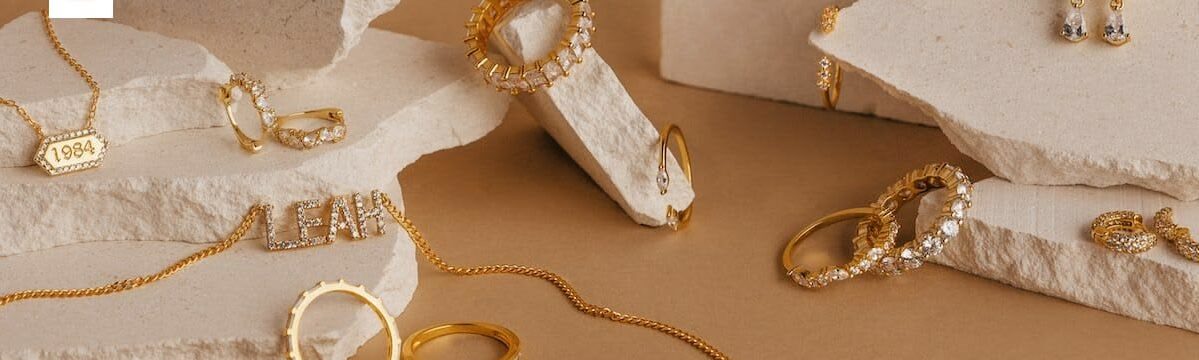

Artificial jewellery is a beautiful way to express your personal style without investing in expensive fine jewellery. From delicate necklaces and statement earrings to Kundan-inspired sets, colourful bracelets and minimalist rings, artificial jewellery offers endless possibilities for creating fashionable looks.
However, one common problem many jewellery lovers face is that their favourite pieces sometimes lose their shine, become discoloured, develop tarnish or break sooner than expected.
The good news is that proper care can help maintain the appearance of artificial jewellery for longer. Simple habits such as keeping jewellery dry, applying perfume before wearing accessories, storing pieces separately and cleaning them gently can make a noticeable difference.
Whether you love everyday jewellery, traditional Indian designs or trendy statement pieces, understanding how to care for your collection can help you enjoy it for longer.
In this guide, we will explain how to take care of artificial jewellery, prevent tarnishing, clean different jewellery pieces, store accessories correctly and avoid common mistakes that can damage them.
What Is Artificial Jewellery?
Artificial jewellery, also known as imitation jewellery or fashion jewellery, refers to decorative accessories made from materials other than solid precious metals and gemstones.
Depending on the design, artificial jewellery may be made using brass, copper, zinc alloys, stainless steel, glass, acrylic, imitation pearls, synthetic stones or other materials.
Some pieces feature gold or silver plating, while others use coloured coatings, enamel, decorative stones or traditional-inspired designs.
Artificial jewellery is popular because it offers a wide variety of styles at different price points. You can find delicate everyday necklaces, festive Kundan-inspired earrings, statement rings, Meenakari-style accessories and fashionable bracelets without needing to purchase solid gold or silver jewellery.
However, artificial jewellery does not behave exactly like fine jewellery. Its durability depends on the materials, plating quality, construction, manufacturing process and the way it is used.
For this reason, understanding the material of each piece is the first step towards proper jewellery care.
Why Does Artificial Jewellery Lose Its Shine?
If you have noticed that a necklace has become dull or a ring has changed colour, you are not alone.
Artificial jewellery can lose its original appearance for several reasons.
1. Exposure to Moisture
Water, humidity and sweat can affect certain jewellery materials and finishes. Depending on the metal and coating, moisture may contribute to tarnishing, corrosion, discolouration or deterioration of the finish.
This is why removing vulnerable jewellery before showering, swimming or exercising can be helpful.
2. Contact With Perfume and Cosmetics
Perfumes, body sprays, lotions, sunscreen, hair products and makeup may contain ingredients that affect some jewellery finishes.
Repeated contact can cause certain plated surfaces to become dull or discoloured.
A simple precaution is to finish your beauty routine before putting on your jewellery.
3. Friction and Scratches
Jewellery can become scratched when pieces rub against one another or come into contact with hard surfaces.
Fine chains may also become tangled, stretched or damaged if they are pulled apart forcefully.
4. Improper Storage
Leaving jewellery in an open container or storing several pieces together can expose them to dust, humidity, friction and tangling.
Some materials also react more readily to environmental conditions.
5. Natural Wear and Tear
Artificial jewellery has a limited lifespan that varies according to its construction and materials.
Plating may gradually wear away with repeated use, especially on rings, clasps and other areas exposed to frequent friction.
Remember: Care can help preserve jewellery, but it cannot permanently prevent all wear, tarnishing or plating loss.
1. Keep Artificial Jewellery Away From Water
One of the simplest ways to care for artificial jewellery is to avoid unnecessary exposure to water.
Although some jewellery materials tolerate moisture better than others, many fashion jewellery pieces have finishes that can deteriorate when repeatedly exposed to water.
Make it a habit to remove your jewellery before:
- Showering or bathing.
- Swimming in a pool or the sea.
- Exercising heavily.
- Washing dishes or doing household chores.
- Using cleaning products.
- Participating in activities where jewellery may get wet or snagged.
Sweat can also affect certain jewellery finishes, particularly during hot and humid weather.
If your jewellery becomes damp, gently blot it with a soft, clean cloth and allow it to dry completely before storing it.
Do not use direct heat to speed up the drying process. Excessive heat may damage adhesives, decorative stones or other components.
Can You Wear Artificial Jewellery Every Day?
Yes, many artificial jewellery pieces can be worn regularly. However, daily use exposes them to more friction, moisture and cosmetic products.
For jewellery you wear frequently, choose pieces that are comfortable and suitable for regular use, follow the manufacturer’s care instructions and remove them when practical during activities that may cause damage.
2. Apply Perfume Before Wearing Jewellery
Perfume is an essential part of many people’s daily routines, but it is best applied before putting on artificial jewellery.
Fragrances, lotions and hair products may contain alcohol, oils or other ingredients that can affect certain coatings and decorative finishes.
To reduce direct contact, follow this simple routine:
- Apply your perfume or body mist.
- Apply your skincare products and allow them to settle.
- Finish your hair and makeup routine.
- Put on your jewellery last.
When applying perfume to your neck or wrists, allow the product to dry before wearing necklaces or bracelets in those areas.
This small habit can help reduce repeated exposure to potentially damaging products.
If you accidentally spray perfume directly onto jewellery, gently blot the affected area with a clean, soft cloth if the piece’s care instructions permit it.
Avoid rubbing aggressively, as this may damage delicate plating or decorative details.
3. Store Artificial Jewellery Properly
Proper storage is one of the most important parts of jewellery maintenance.
Even beautiful jewellery can become tangled, scratched or damaged when it is stored carelessly.
Use Separate Compartments
Store necklaces, earrings, rings and bracelets in separate compartments whenever possible.
This reduces friction between pieces and helps prevent delicate chains from tangling.
Keep Necklaces Untangled
Fasten necklace clasps before storing them. Place each necklace separately in a compartment, pouch or designated jewellery holder.
Avoid throwing several chains into one box, especially if they feature fine links or small pendants.
Use Soft Pouches
Soft jewellery pouches can help protect delicate pieces from scratches.
For pieces that may react to humidity, choose storage that is clean and dry. Certain materials may benefit from suitable anti-tarnish storage products, provided those products are compatible with the jewellery.
Avoid Humid Storage Areas
Bathrooms are often humid, making them less suitable for storing vulnerable jewellery.
A dry drawer, jewellery organiser or cupboard is generally a better choice.
Keep Jewellery Away From Direct Sunlight
Prolonged exposure to strong sunlight may affect some coloured coatings, plastics, adhesives and decorative materials.
Store vulnerable pieces away from direct sunlight and excessive heat.
4. Clean Artificial Jewellery Gently
Cleaning helps remove surface dust, fingerprints and some everyday residue. However, artificial jewellery should not be cleaned using the same method for every material.
A plated necklace, an enamelled earring and a piece featuring glued stones may require different care.
A Gentle Cleaning Method
For a piece that is suitable for wiping:
- Check the manufacturer’s care instructions.
- Use a clean, soft, dry cloth.
- Wipe the surface gently without applying excessive pressure.
- Avoid pulling chains or pressing against delicate settings.
- Allow the piece to dry completely if any moisture was used.
- Store it in a clean, dry place.
If the jewellery has intricate details, clean only the areas that can be reached safely without forcing a cloth or tool into small openings.
For heavily soiled, fragile or valuable sentimental pieces, ask the seller or a professional cleaner about suitable care.
Should You Use Water and Soap?
Not always.
Some jewellery can tolerate a lightly damp cloth, but other pieces may be damaged by moisture, especially if they contain adhesives, porous materials or vulnerable coatings.
Do not soak artificial jewellery unless the manufacturer specifically confirms that the piece is suitable for that treatment.
5. Avoid Harsh Chemicals and Household Cleaners
A common jewellery-care mistake is using strong cleaning products to restore shine.
Household cleaners, bleach, abrasive powders, vinegar, baking soda mixtures and other chemical treatments can damage certain metals, plating, enamel, adhesives and decorative stones.
Similarly, toothpaste can be abrasive and may scratch or dull delicate surfaces.
Avoid experimenting with home remedies simply because they are recommended for solid gold or silver jewellery.
If you are unsure about the correct cleaning method, begin by checking the product instructions or contacting the seller.
A soft cloth and gentle handling are often safer than aggressive cleaning.
Important: If the finish has worn away and the underlying metal is visible, cleaning cannot restore the original plating. The piece may require professional replating if its materials and construction make that practical.
6. Take Special Care of Artificial Gold-Plated Jewellery
Gold-plated artificial jewellery has a surface layer of gold or a gold-coloured finish over another material. The exact construction varies by product.
With repeated wear, the surface layer may gradually wear away.
To preserve the appearance of gold-plated jewellery:
- Put it on after applying perfume and cosmetics.
- Avoid unnecessary exposure to water and sweat.
- Do not scrub the surface.
- Store each piece separately.
- Remove it before activities involving friction or chemicals.
- Follow the care instructions supplied with the product.
Pay particular attention to rings and bracelets, which often experience more contact with surfaces than necklaces.
Can Gold-Plated Jewellery Become Discoloured?
Yes. Depending on the plating thickness, base material and conditions of use, gold-plated jewellery may become dull or show the underlying material over time.
This is not necessarily a sign that the jewellery was fake. Plating is a surface finish and may wear with use.
The quality of the construction and how the piece is maintained influence how well its appearance lasts.
7. How to Care for Kundan and Meenakari Jewellery
Kundan-inspired and Meenakari-style jewellery can feature intricate metalwork, decorative stones, enamelled surfaces and small components that need careful handling.
These designs are especially popular for Indian festive wear, family functions and celebrations.
Because they may contain delicate settings or attached decorative elements, avoid soaking them in water or cleaning them with harsh chemicals.
Tips for Kundan-Inspired Jewellery
- Store each necklace or earring set separately.
- Keep decorative surfaces away from perfumes and sprays.
- Handle stones and settings gently.
- Avoid pressing or pulling against the decorative components.
- Use a soft, dry cloth where appropriate.
- Keep the pieces in a dry storage area.
Tips for Meenakari Jewellery
Meenakari-style designs may feature coloured enamel or enamel-like decorative finishes.
Avoid abrasive cloths, rough brushes and aggressive polishing.
If the piece has intricate colourwork, follow the seller’s instructions rather than assuming that every metal-cleaning method is suitable.
For jewellery with loose stones, damaged enamel or broken components, seek repair advice instead of attempting to fix the piece using household glue.
8. Protect Artificial Jewellery From Scratches
Scratches can make jewellery look dull even when its colour has not changed.
Fine chains, polished rings and decorative pendants are particularly vulnerable to friction.
To reduce scratching:
- Store pieces separately.
- Avoid placing jewellery directly on rough surfaces.
- Keep delicate items away from keys, coins and other hard objects.
- Remove jewellery before activities that involve repetitive contact.
- Handle pieces carefully when putting them on or taking them off.
If you travel frequently, use a travel jewellery organiser with individual compartments.
Small zip pouches can also be useful, provided they are clean, dry and suitable for the pieces being stored.
Avoid forcing a tangled chain apart. Place it on a flat surface and gently work through the tangle without pulling hard on the links.
9. Remove Jewellery Before Sleeping
Sleeping in artificial jewellery may expose it to unnecessary pressure, friction and pulling.
Chains can catch on bedding, rings can rub against surfaces, and earrings may become uncomfortable when pressed against a pillow.
Depending on the design, these movements may damage the jewellery or irritate the skin.
Make removing jewellery part of your bedtime routine.
Place your pieces in a designated jewellery dish or organiser instead of leaving them on a bedside table where they could fall or become tangled.
If you wear earrings or other jewellery continuously, check that the pieces are suitable for prolonged wear and do not cause discomfort or irritation.
10. Keep Your Jewellery Organised
An organised jewellery collection is easier to maintain.
It also makes it easier to find your favourite pieces without repeatedly handling or untangling them.
Consider organising your collection into categories:
Everyday jewellery: Small hoops, delicate necklaces, simple rings and daily-wear bracelets.
Traditional jewellery: Kundan-inspired sets, Meenakari earrings and festive accessories.
Statement jewellery: Larger earrings, decorative necklaces and bold rings.
Occasion jewellery: Pieces reserved for weddings, celebrations and special events.
You can further organise pieces by metal colour, design or frequency of use.
Keep jewellery you wear frequently in an accessible but protected location, while storing delicate occasion pieces separately.
An organised storage system reduces handling and helps you notice loose clasps, missing stones or other problems before the next time you wear a piece.
11. Inspect Your Jewellery Regularly
A quick inspection can help you identify minor problems before they become worse.
Check your jewellery occasionally for:
- Loose stones.
- Bent hooks or posts.
- Weak clasps.
- Damaged chains.
- Peeling or worn finishes.
- Cracks in decorative components.
- Sharp or rough edges.
If you notice a loose stone, avoid wearing the piece until it has been assessed or repaired.
For necklaces, check the clasp and connecting rings. For earrings, inspect the posts, hooks and backs. For bracelets, look for stretched links or weakened fasteners.
Some damage can be repaired, depending on the material and construction. Other damage, particularly extensive plating loss, may not be reversible.
12. Be Careful With Artificial Jewellery During Travel
Travelling exposes jewellery to movement, pressure and changes in the surrounding environment.
Throwing all your jewellery into one pouch may lead to tangled necklaces, scratched surfaces and damaged decorative elements.
Instead, prepare your jewellery before leaving.
Create a Small Travel Jewellery Kit
Include:
- A small jewellery organiser.
- Separate compartments or pouches.
- A soft cloth.
- Only the pieces you expect to wear.
Fasten necklace clasps and store each chain separately.
Keep delicate earrings in a secure compartment so that they do not become separated from their backs.
Avoid leaving jewellery loose in handbags, where it can rub against keys, cosmetics or other objects.
For valuable or sentimental jewellery, consider whether taking it on the trip is necessary.
13. Understand the Materials Before Buying Artificial Jewellery
Good jewellery care begins before you make a purchase.
Different materials require different levels of maintenance, so it helps to understand what a product is made from.
Brass and Other Base Metals
Brass and other metal alloys are commonly used in fashion jewellery.
Their appearance and durability depend on their composition, coatings and manufacturing quality.
Some pieces may tarnish or change colour with exposure to moisture and other substances.
Stainless Steel
Some stainless-steel jewellery is relatively resistant to corrosion, although its performance depends on the grade and construction.
Coated or plated stainless-steel pieces still require care to protect their decorative finishes.
Gold-Plated Jewellery
Gold plating can provide a gold-coloured surface over a different underlying material.
The plating may gradually wear with friction, cleaning or frequent use.
Artificial Pearls and Decorative Stones
Imitation pearls, glass stones, acrylic elements and glued decorations may be sensitive to abrasion, heat, solvents or moisture.
Avoid using harsh cleaning solutions unless the manufacturer specifically recommends them.
Why Material Information Matters
When buying jewellery, look for clear product descriptions and care instructions.
Understanding the materials helps you select pieces that fit your lifestyle and expectations.
If you want jewellery for frequent use, ask the seller about the base material, plating, finish and recommended maintenance.
Avoid assuming that every gold-coloured piece is solid gold or that every silver-coloured piece is sterling silver.
14. Common Artificial Jewellery Care Mistakes to Avoid
Even people who love jewellery sometimes make mistakes that shorten the useful life of their accessories.
Here are some common ones to avoid.
Mistake 1: Wearing Jewellery in the Shower
Repeated moisture exposure may damage vulnerable finishes.
Remove jewellery before showering unless the manufacturer specifically indicates that the piece is suitable for that use.
Mistake 2: Spraying Perfume Directly Onto Jewellery
Apply fragrance before putting on your accessories.
Mistake 3: Cleaning Everything With the Same Product
Different materials have different cleaning requirements. A product suitable for one piece may damage another.
Mistake 4: Storing Necklaces Together
This increases the likelihood of tangling and scratching.
Mistake 5: Using Toothpaste to Restore Shine
Toothpaste can be abrasive and may scratch delicate finishes.
Mistake 6: Ignoring Loose Stones
Continued wear can cause a loose stone or component to fall out.
Mistake 7: Expecting Plating to Last Forever
Plating is a surface finish that may wear with time. Proper care can reduce unnecessary damage, but it cannot guarantee permanent colour retention.
Mistake 8: Using Household Glue for Repairs
Some adhesives can damage finishes or leave visible residue. Ask the seller or a suitable repair professional about the correct approach.
15. How to Make Artificial Jewellery Last Longer
You do not need an expensive jewellery-care kit to maintain your collection.
Consistent habits often matter more than complicated routines.
Follow these basic rules:
- Put jewellery on after your beauty routine.
- Remove vulnerable pieces before bathing, swimming or exercising.
- Keep jewellery away from harsh chemicals.
- Wipe pieces gently after use when appropriate.
- Store necklaces and earrings separately.
- Keep jewellery in a clean, dry location.
- Inspect clasps and decorative components regularly.
- Follow the care instructions for each material.
- Avoid pulling, bending or scrubbing delicate pieces.
- Seek suitable repair advice when damage occurs.
These practices can help reduce preventable wear and preserve the appearance of your favourite accessories.
However, the actual lifespan of a piece depends on its materials, construction, frequency of wear and conditions of use.
16. Build a Simple Jewellery-Care Routine
The easiest way to maintain artificial jewellery is to make care part of your daily routine.
After Wearing
Remove your jewellery gently.
If appropriate for the material, wipe away surface residue using a soft cloth.
Before Storing
Make sure the pieces are dry and free from obvious residue.
Fasten necklaces and separate individual items.
Once a Week
Check frequently worn jewellery for tangling, loose clasps or visible damage.
Reorganise any pieces that have become mixed together.
Once a Month
Review your jewellery collection.
Identify items that need repair, cleaning according to their care instructions or more suitable storage.
This simple routine helps you keep track of your jewellery without spending too much time maintaining it.
Conclusion: Make Your Favourite Jewellery Last Longer
Artificial jewellery allows you to explore different styles, experiment with fashion and add personality to everyday outfits without needing an expensive collection.
From delicate necklaces and minimalist rings to colourful earrings and traditional-inspired Kundan designs, every piece can become a favourite when it suits your personal style.
The key to maintaining artificial jewellery is understanding its materials and caring for it appropriately.
Keep it away from unnecessary moisture, apply perfume before wearing it, store pieces separately, avoid harsh cleaning products and handle delicate components gently. Regularly inspect your collection and follow the care instructions supplied with each item.
Most importantly, remember that artificial jewellery has different maintenance needs depending on its materials and construction. Good care can help preserve its appearance, but it cannot prevent every form of wear.
At Jewel Blends, we believe jewellery should bring beauty and individuality into everyday life. With thoughtful care, you can enjoy your favourite pieces for longer and make the most of the collection you love.
Treat your jewellery gently, store it thoughtfully and let your personal style shine
FAQs..
Keep jewellery away from moisture, sweat and potentially damaging chemicals. Store it in a clean, dry place and avoid abrasive cleaning. Discolouration can also depend on the underlying metal and finish, so prevention is not always possible.
It is generally better to avoid toothpaste because its abrasive ingredients may scratch or dull delicate surfaces. Use a cleaning method recommended for the particular jewellery material.
Not all artificial jewellery is suitable for water-based cleaning. Some pieces may tolerate a lightly damp cloth, while others contain finishes, adhesives or materials that can be damaged by moisture. Follow the manufacturer’s instructions.
Possible causes include plating wear, oxidation of the underlying metal, exposure to moisture or chemicals, friction and the natural ageing of materials.
Use a clean, dry jewellery organiser with separate compartments. Store necklaces individually to prevent tangling and keep delicate pieces away from rough surfaces and humid environments.
Yes, provided the pieces are suitable for regular wear and remain comfortable. Remove them during activities that may expose them to water, sweat, friction or chemicals.
Sometimes surface residue can be removed using an appropriate cleaning method. However, if the plating has worn away or the underlying metal has deteriorated, cleaning alone may not restore the original appearance.
Keep it dry, store each piece separately, avoid harsh chemicals and handle decorative stones carefully. Follow the seller’s care instructions, particularly for pieces with intricate settings or enamelled details.
